

Clay tile, concrete tile, slate and metal on the Palm Beach coast: an architectural guide
The right roof starts with the house. Here is how the main materials suit the architecture and climate of the Palm Beach coast.
A roof is the largest single surface on most homes. On the Palm Beach coast, it also sets the style of the house from the street. Choosing the material is an architectural decision first and a technical decision second. Both matter, and they should agree.
Start with the house
We begin every material conversation by looking at the architecture. A Mediterranean Revival home reads wrong with a flat metal roof. A crisp contemporary home rarely suits heavy barrel tile. Once the style narrows the field, we compare the options on climate, structure and care.
Clay and concrete tile
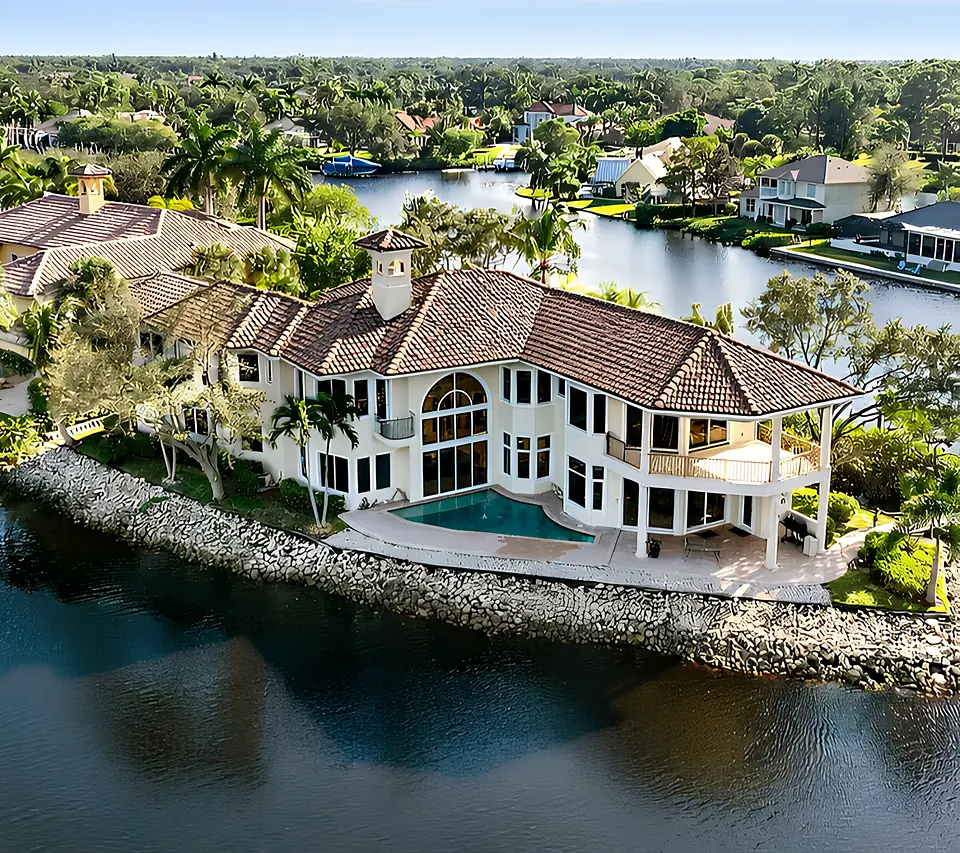
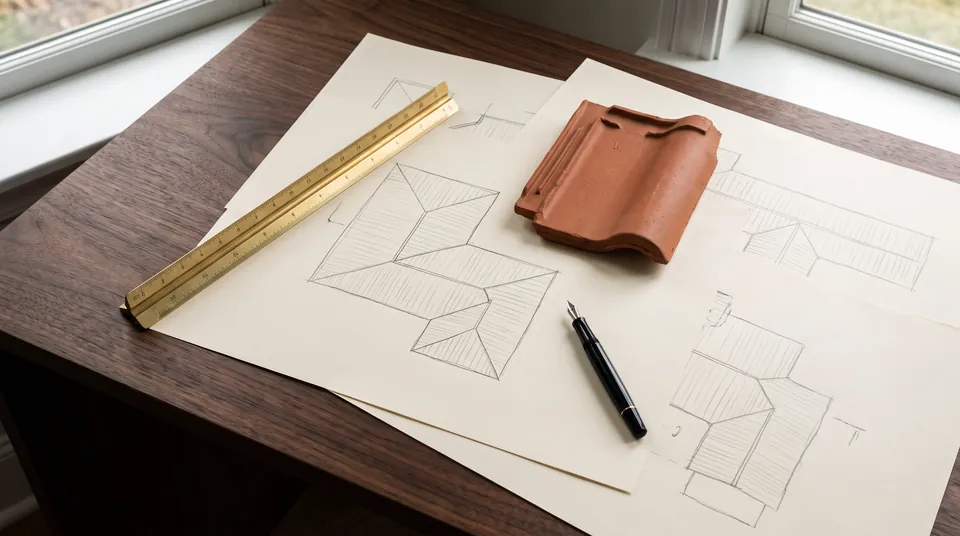
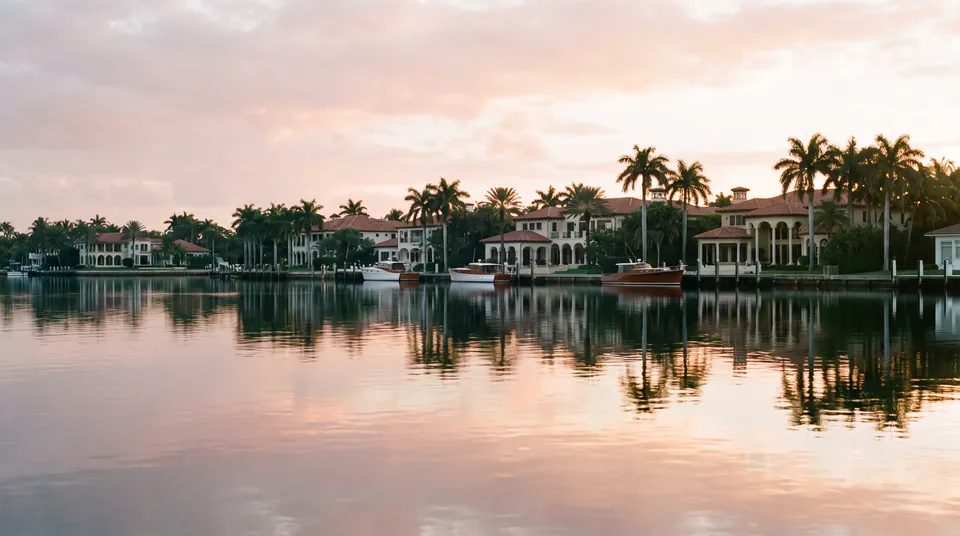
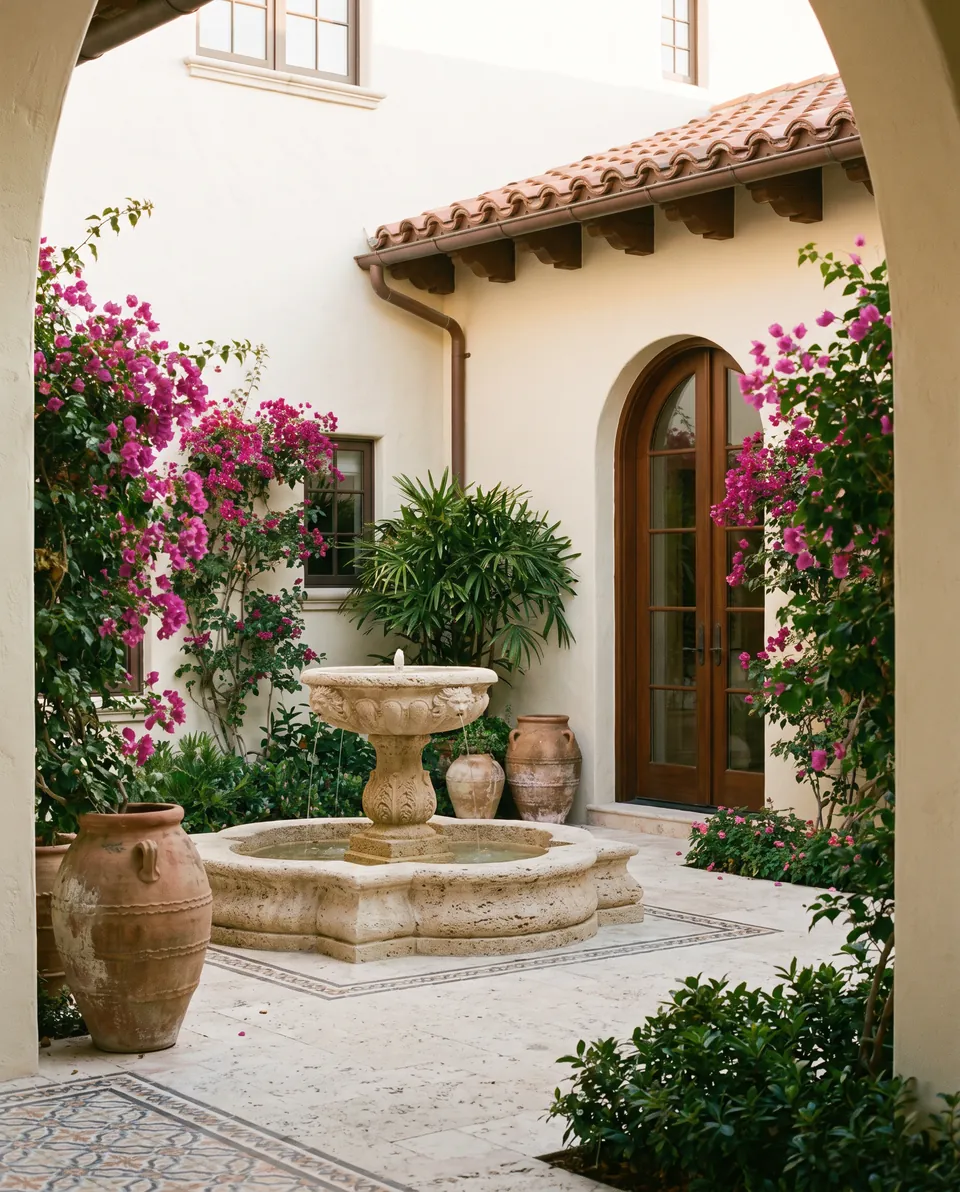
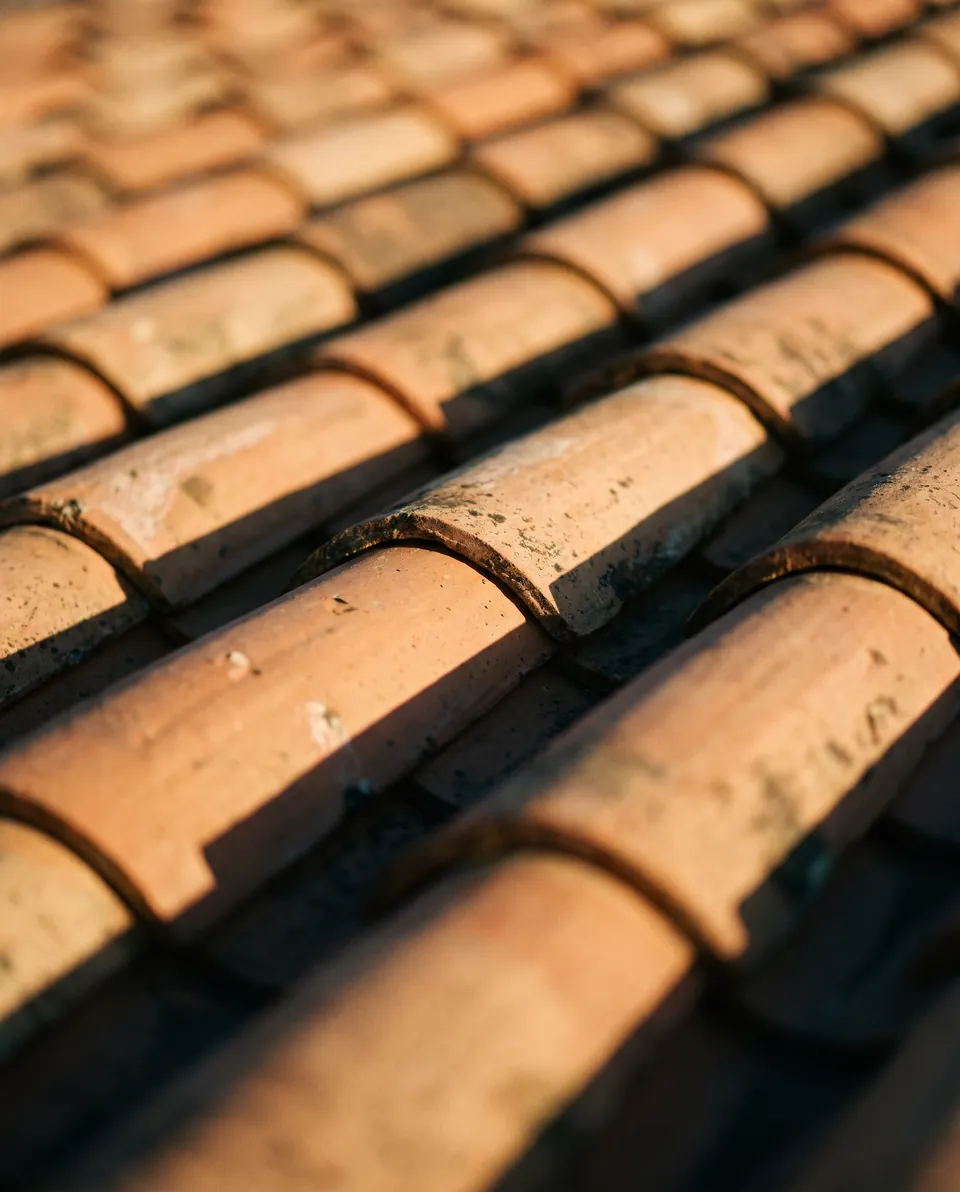
Barrel and S tile are signature Florida materials. They anchor the look of Mediterranean Revival and Spanish Colonial homes across Palm Beach County. Clay tile carries natural color variation and a long tradition on the island. Concrete tile offers a wide range of profiles and colors and often costs less to source.
The tile is only the visible layer. Underlayment, fastening, ridge and hip details and flashing decide how the roof performs in wind driven rain. When we replace a tile roof, we spend as much attention on those layers as on the tile itself.
- Best suited to Mediterranean, Spanish Colonial and many traditional estates.
- Weight matters, so a change from a lighter material calls for a structural review.
- Color and profile often go through design review in towns such as Palm Beach and Manalapan.
Standing seam metal
Standing seam metal gives clean, continuous lines. It suits contemporary, coastal and British West Indies homes, as well as barns and outbuildings on estates. The seam profile, the metal and the coating should all suit the exposure.
Near salt water, corrosion becomes the main concern. FEMA's Technical Bulletin 8 recommends stainless steel or thick hot dip galvanized connectors and fasteners in coastal areas. It also advises using the same metal for connectors and fasteners. We apply the same thinking to every metal detail on a coastal roof.
Natural slate
Slate is a natural stone with a refined texture and a long history on fine homes. It suits traditional and estate architecture where a heavier, darker roof fits the design. Slate needs an experienced installer and careful detailing at every edge.
Weight is the first question. Before we recommend slate, we ask for a structural review of the framing. On some homes, slate is the right answer. On others, a lighter material with a similar look serves better.
Cedar shake and premium shingle
Cedar shake brings a warm, natural character to certain estates. Fire, wind and local rules need review first, so we treat it case by case. Premium architectural shingle is a practical option for some homes when design review and budget align.
Florida specifics
Palm Beach County is a wind borne debris region. It is not part of the High Velocity Hurricane Zone, which applies to Miami-Dade and Broward, as JS Held explains. Roof products used here need the appropriate Florida product approval. The Florida Building Commission maintains the product approval system and code information.
We avoid quoting lifespans or wind ratings in general terms. Those figures belong to specific products, and the manufacturer's data and approval documents state them. When you choose a product, we show you its approval and documentation.
Color, profile and design review
In towns with design review, the color and profile of a roof often matter as much as the material. Reviewers look at how the roof sits with the walls, the trim and the neighboring homes. We bring physical samples and photograph them against the existing house in daylight.
Blended tile colors read softer from the street than a single flat tone. Metal finishes range from bright to muted, and the right one depends on the trim and the light. Small samples rarely show the full effect, so we often place a larger mockup on site.
Weight and structure
A change from shingle or metal to tile or slate adds load to the framing. We ask a licensed engineer to review the structure before we recommend the change. The review protects the house and keeps the permit on track.
A practical way to decide
- Name the architectural style of the home.
- Note the distance from salt water: oceanfront, Intracoastal or inland.
- Rank your priorities: authentic look, low maintenance, weight, design review.
- Confirm the structure before choosing a heavier material.
Our Roof Material Matchmaker walks through those four questions. It ranks materials with reasons and cautions, and it ends with an invitation to talk it through with our team. It gives general guidance and does not replace a professional inspection.
Roof Material Matchmaker
Four questions about your home rank the five roof materials, with the reasons and the cautions.
Open the toolSources
General information, not legal or insurance advice. Rules and fees change, so confirm current requirements with the relevant authority or ask us at your consultation.