

The Importance of Waterproofing for Your Palm Beach Property
Updated: Apr 14
Waterproofing is crucial for maintaining the integrity of luxury properties. It protects against the harsh coastal elements that can lead to significant damage over time.
Understanding Waterproofing
Waterproofing is the process of making a structure water-resistant, preventing water from penetrating through surfaces. This is particularly crucial in areas prone to heavy rainfall or flooding. The primary goal is to protect the integrity of the building and ensure a safe environment for its occupants.
Why Waterproofing is Important
Prevents Structural Damage
Water infiltration can lead to significant structural issues, including mold growth, wood rot, and foundation damage. By investing in waterproofing, you can safeguard your property against these risks.
Enhances Indoor Air Quality
Mold and mildew thrive in damp environments, posing health risks to occupants. Effective waterproofing helps maintain a dry environment, improving indoor air quality.
Increases Property Value
A well-maintained property with effective waterproofing solutions can command a higher market value. Potential buyers are more likely to invest in a home that has been protected from water damage.
Saves Money on Repairs
Addressing water damage after it occurs can be costly. Waterproofing is a proactive measure that can save you money in the long run by preventing damage before it starts.
Types of Waterproofing Services
In Palm Beach County, various waterproofing services are available to meet different needs. Here are some common types:
Interior Waterproofing
Interior waterproofing focuses on preventing water from entering the home through walls and floors. Techniques include:
Sealants: Applying waterproof sealants to walls and floors can create a barrier against moisture.
Sump Pumps: Installing sump pumps can help remove excess water from basements and crawl spaces.
Drainage Systems: Interior drainage systems can redirect water away from vulnerable areas.
Exterior Waterproofing
Exterior waterproofing involves protecting the outside of a structure from water infiltration. This can include:
Foundation Coatings: Applying waterproof coatings to the foundation can prevent water from seeping through.
French Drains: Installing French drains around the perimeter of the property can help redirect water away from the foundation.
Grading: Proper grading of the landscape can ensure that water flows away from the building.
Basement Waterproofing
Basements are particularly susceptible to water damage. Specialized basement waterproofing services may include:
Wall and Floor Sealants: These can help prevent moisture from penetrating through basement walls and floors.
Dehumidifiers: Installing dehumidifiers can help control humidity levels in the basement, reducing the risk of mold growth.
Roof Waterproofing
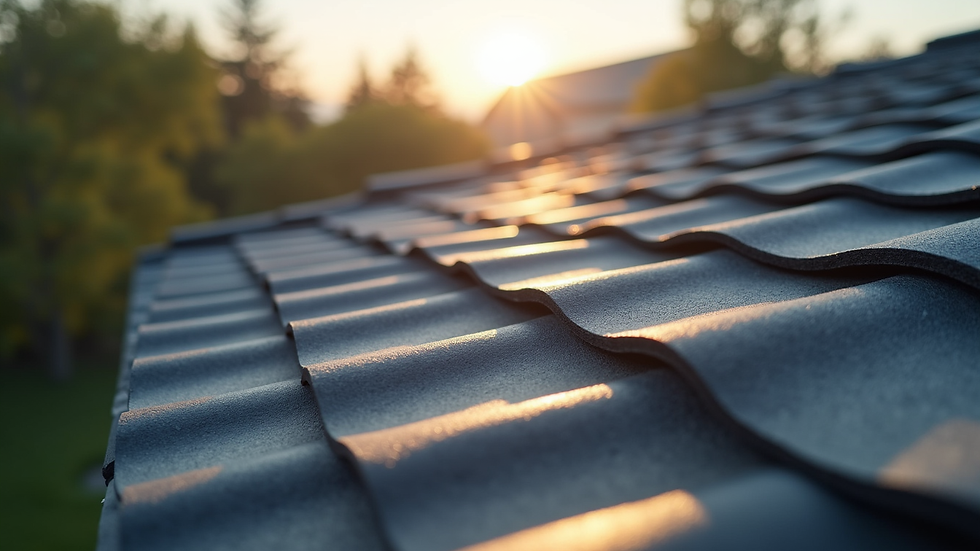
Roof waterproofing is essential for preventing leaks and water damage. Services may include:
Roof Coatings: Applying waterproof coatings to the roof can extend its lifespan and prevent leaks.
Flashing Installation: Proper installation of flashing around chimneys and vents can prevent water from entering the home.
Choosing the Right Waterproofing Expert
Selecting the right waterproofing contractor is crucial for ensuring quality work. Here are some tips to help you make the right choice:
Research and Reviews
Start by researching local waterproofing companies. Look for reviews and testimonials from previous clients to gauge their reputation. Websites like Yelp and Google Reviews can provide valuable insights.
Experience and Expertise
Choose a contractor with extensive experience in waterproofing. Ask about their qualifications, certifications, and the types of projects they have completed. An experienced contractor will be better equipped to handle any challenges that may arise.
Free Estimates
Many waterproofing companies offer free estimates. Take advantage of this service to compare prices and services. A reputable contractor will provide a detailed estimate outlining the scope of work and associated costs.
Warranty and Insurance
Ensure that the contractor offers a warranty for their work. This demonstrates their confidence in their services. Additionally, verify that they have liability insurance to protect you in case of accidents during the project.
Communication
Effective communication is key to a successful project. Choose a contractor who is responsive and willing to answer your questions. They should be able to explain the waterproofing process clearly and address any concerns you may have.
Common Waterproofing Myths
There are several misconceptions about waterproofing that can lead to poor decisions. Here are a few myths debunked:
Myth 1: Waterproofing is Only Necessary for New Homes
Many homeowners believe that waterproofing is only needed for new constructions. In reality, older homes can also benefit from waterproofing, especially if they have experienced water damage in the past.
Myth 2: Waterproofing is a One-Time Solution
Some people think that once waterproofing is done, it will last forever. However, regular maintenance and inspections are necessary to ensure the effectiveness of waterproofing solutions.
Myth 3: All Waterproofing Products are the Same
Not all waterproofing products are created equal. It's essential to choose high-quality materials and techniques that are suitable for your specific needs.
The Waterproofing Process
Understanding the waterproofing process can help you prepare for the project. Here’s a general overview of what to expect:
Initial Inspection
A waterproofing expert will conduct a thorough inspection of your property to identify potential problem areas. They will assess the foundation, walls, and drainage systems.
Recommendations
After the inspection, the contractor will provide recommendations based on their findings. This may include specific waterproofing techniques and products tailored to your property.
Implementation
Once you approve the plan, the contractor will begin the waterproofing process. This may involve applying sealants, installing drainage systems, or making necessary repairs.
Final Inspection
After the work is completed, a final inspection will be conducted to ensure everything is functioning correctly. The contractor will explain the maintenance required to keep your waterproofing effective.
Maintenance Tips for Waterproofing
To ensure the longevity of your waterproofing solutions, consider the following maintenance tips:
Regular Inspections: Schedule annual inspections to identify any potential issues early.
Clean Gutters and Downspouts: Keep gutters and downspouts clear of debris to ensure proper drainage.
Monitor Humidity Levels: Use dehumidifiers in areas prone to moisture to maintain optimal humidity levels.
Check for Cracks: Regularly inspect walls and foundations for cracks and address them promptly.
The Benefits of Professional Waterproofing
Choosing professional waterproofing services offers numerous advantages. It ensures that the job is done correctly and efficiently. Professionals have the expertise and tools to tackle complex issues that may arise during the process.
Additionally, they can provide you with valuable advice on maintaining your waterproofing system. This knowledge can help you avoid costly repairs in the future.
Conclusion
Investing in expert waterproofing services in Palm Beach County is essential for protecting your property from water damage. By understanding the importance of waterproofing, the types of services available, and how to choose the right expert, you can ensure a safe and dry environment for your home. Don’t wait for water damage to occur; take proactive steps today to safeguard your property.
For more information or to schedule a consultation, contact a local waterproofing expert today. Protect your home and enjoy peace of mind knowing you’ve taken the necessary steps to prevent water damage.
For those who want to ensure their luxury properties remain pristine, investing in waterproofing is a wise decision.


Comments