

Exploring the Unique Styles of Palm Beach Architecture
Palm Beach architecture is a fascinating blend of history, luxury, and coastal resilience. As someone deeply interested in the design and structure of prestigious properties, I find the architectural styles here both inspiring and instructive. The unique climate and cultural influences have shaped a distinctive aesthetic that balances elegance with practicality. In this post, I will take you through the key styles that define Palm Beach architecture, highlighting their features and what makes them stand out in the world of luxury real estate.
The Influence of Mediterranean Revival in Palm Beach Architecture
One cannot discuss Palm Beach architecture without mentioning the Mediterranean Revival style. This style emerged in the early 20th century and quickly became synonymous with the region’s upscale homes and resorts. Drawing inspiration from Spanish, Italian, and Moorish architecture, Mediterranean Revival is characterized by stucco walls, red tile roofs, and arched windows and doorways.
These homes often feature wrought iron details, balconies, and lush courtyards that create a seamless indoor-outdoor living experience. The style’s emphasis on natural materials and earthy colors helps these properties blend beautifully with the coastal environment. For owners of luxury properties, Mediterranean Revival offers a timeless elegance that also stands up well to the humid, salty air of Palm Beach.
Key features to look for:
Clay tile roofs with deep overhangs
Ornate ironwork on balconies and gates
Arched windows and doorways
Courtyards with fountains or lush landscaping

Art Deco and Its Subtle Presence in Palm Beach Architecture
While Miami Beach is famous for its bold Art Deco buildings, Palm Beach has a more subtle take on this style. Art Deco in Palm Beach architecture tends to be less flashy but still incorporates the geometric shapes, clean lines, and pastel colors typical of the movement. This style often appears in smaller residential buildings or as decorative elements in larger estates.
The charm of Art Deco here lies in its ability to add a modern, streamlined look without overpowering the traditional coastal aesthetic. For property owners, incorporating Art Deco elements can provide a fresh, stylish contrast to more classical designs.
Distinctive Art Deco elements include:
Geometric patterns and motifs
Smooth stucco walls with pastel or muted colors
Flat roofs with parapets
Decorative glass blocks and metalwork

The Role of Modern and Contemporary Styles
In recent years, modern and contemporary architecture has gained popularity among Palm Beach’s luxury property owners. These styles emphasize simplicity, open floor plans, and the use of glass and steel to maximize natural light and views. The clean lines and minimal ornamentation create a striking contrast to the more traditional styles found in the area.
Modern homes in Palm Beach often feature large windows, flat or low-pitched roofs, and outdoor living spaces that connect seamlessly with the interior. This approach not only enhances the aesthetic appeal but also addresses the practical needs of coastal living, such as ventilation and protection from the elements.
What defines modern and contemporary Palm Beach homes:
Expansive glass walls and sliding doors
Open, flexible interior layouts
Integration of indoor and outdoor spaces
Use of sustainable and durable materials
Preserving Heritage: The Colonial Revival and Its Charm
Colonial Revival architecture holds a special place in Palm Beach’s architectural landscape. This style reflects the early American colonial period but adapted to suit the tropical climate. It is characterized by symmetrical facades, shuttered windows, and gabled roofs.
Many Colonial Revival homes in Palm Beach incorporate wide verandas and large porches, providing shade and outdoor living areas that are essential in the warm climate. The style’s emphasis on proportion and balance gives these homes a dignified, stately appearance that appeals to those who appreciate classic design with a coastal twist.
Typical Colonial Revival features:
Symmetrical front facades
Double-hung windows with shutters
Gabled or hipped roofs
Spacious porches and verandas
Practical Considerations in Palm Beach Architectural Design
When exploring the unique styles of Palm Beach architecture, it is important to consider the practical aspects that influence design choices. The coastal environment presents challenges such as high humidity, salt air, hurricanes, and intense sunlight. These factors demand building solutions that protect the structure while maintaining aesthetic appeal.
This is where palm beach architectural expertise becomes invaluable. High-performance building envelope solutions are essential to ensure the longevity and integrity of luxury properties. These solutions include impact-resistant windows, reinforced roofing systems, and materials that resist corrosion and moisture damage.
Recommendations for property owners:
Choose materials that withstand salt and moisture, such as treated wood, stucco, and metal alloys.
Invest in hurricane-resistant windows and doors to protect against storms.
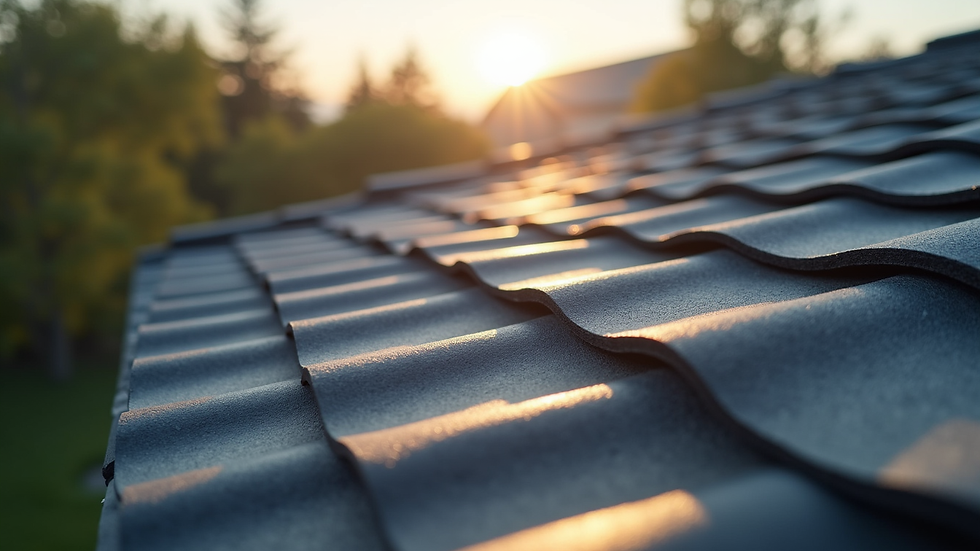
Design roofs with proper drainage and durable coverings to prevent leaks.
Incorporate shading elements like overhangs and pergolas to reduce heat gain.
By integrating these practical measures, owners can preserve the beauty and value of their homes while safeguarding them against the harsh coastal elements.
Embracing the Future of Palm Beach Architecture
As Palm Beach continues to evolve, so does its architectural landscape. New technologies and sustainable practices are shaping the future of luxury home design here. Energy-efficient systems, smart home integration, and eco-friendly materials are becoming standard features in high-end properties.
The challenge is to blend these innovations with the region’s rich architectural heritage. Whether through subtle modern touches or bold contemporary designs, the goal remains the same: to create homes that are both beautiful and resilient.
For those invested in the prestige and performance of their properties, staying informed about these trends and working with experienced professionals is key. This approach ensures that Palm Beach architecture remains a symbol of luxury, comfort, and durability for years to come.
Exploring the unique styles of Palm Beach architecture reveals a rich tapestry of design that balances tradition with innovation. From Mediterranean Revival to modern minimalism, each style offers distinct advantages and aesthetic appeal. By understanding these styles and the practical considerations of coastal living, property owners can make informed decisions that enhance both the beauty and resilience of their homes.


Comments